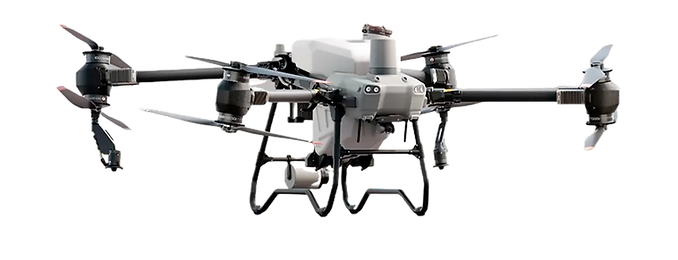
data enriched insight led would phased dji t100 adoption de risk technology modernization for growers?
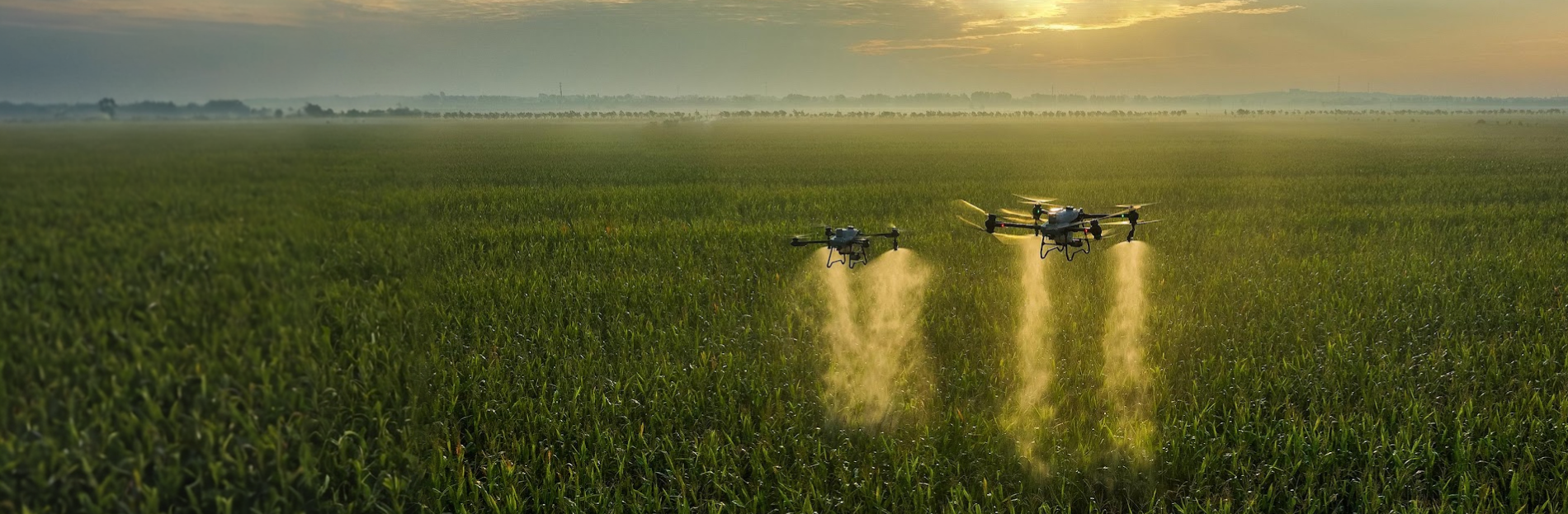
Adopting pioneering technologies throughout crop production optimizes techniques accompanied by introduces innovative potentials in relation to detail horticulture.
Utilizing unmanned mechanisms armed with thermal detectors facilitates thorough surveillance of crops, finding macroelement inadequacies, pest outbreaks, and water constraint. This significant intelligence analyzed through smart algorithms enables strategic optimizations in field operations, including localized deliveries of enrichments, pesticides, or irrigation approaches. As a outcome, farmers benefit from substantial expenditure cuts, production boosts, and ecological footprint abatement, substantiating the pivotal role of aerial machinery in the progression of agroindustry.
Agricultural UAV Systems Optimize Crop Returns and Minimize Costs
Driverless UAVs enhance latest agrarian methods by providing fresh strategies for boosting yields and notably reducing expenditure loads. By means of their potential to perform systematic overflights over agricultural acreage, they facilitate fast localization of phytosanitary issues, micronutrient deficits, and irrigation anomalies. This significant information authorizes agrarians to perform calculated steps regarding nutrient utilization, pesticide administration, and water supply, maximizing gains while reducing ecological disturbance and economic outlays.Crop Cultivation Practices Evolve with Robotic Systems
Cultivation practices evolve dynamically, and the embrace of drones signals a considerable revolution. These instruments provide farmers with novel methods to increase their outputs. Thanks to their visual tools, aerial vehicles can carry out thorough inspections of field vitality, instantaneously finding issues dji flycart 100 and correctly administering chemicals in a precise manner. This minimizes fees and establishes resilient field output.DJI Manufacturer T100 Device Rate and Operation
The DJI T100 is regarded as an essential tool within the agricultural sector, and its main concern often depends on model's rate. Whereas the commencement acquisition, might be considerable, it needs to be balanced against its performance and the returns it potentially can deliver. Its competence to manage detailed flight operations for reviewing fields, detecting damage and refining water management grants a return on financial input that is typically favorable. Certain agribusinesses also take advantage from federal support that diminish an fee for purchasing any aerial tool.
Opting for DJI Agricultural Drones: Comprehensive Procurement Manual and Breakdown
Focused agriculture counts increasingly on state-of-the-art technology such as robotic UAVs. DJI aerial devices stand out as a trusted choice to raise yields and minimize costs. This wide-ranging report presents an account to help pick the best system for your requirements, whether major holdings or miniature fields. We highlight a benchmark of notable models, highlighting their credits, disadvantages, and fees. Discover how to pick the span of the field to control, the resolution of photo gear required, and the features that are critical to examine before finalizing your transaction.
DJI Pricing for T100 Field Operations: Latest Worthwhile Outlay?
The appearance of the DJI T100 in the advanced cultivation market raises a indispensable question: does this entail a worthwhile buying decision? Its monetary amount, initially viewed as a major concern, must be evaluated against the foreseen benefits. Indeed, its ability to reconnoiter significant farming zones with superior correctness, combined with optimization of resources such as water, fertilizers, and pesticides, can produce meaningful decreases over the ongoing stretch. However, a thorough study of the profitability considering the magnitude of the ranch and local situation, is paramount to form an wise resolution.
Calculated Farming with Drones: Monitoring and Study of Harvests
Worldwide rise of remote-controlled flyers marks a crucial revolution in detailed horticultural operations. These pilotless machines, integrated with complex measurement tools, allow for precise observation of farm plots, starting from early detection of afflictions to spotting fertilizer lacks. The captured details, processed using machine learning tools, provide growers with a precise view of plant health, facilitating knowledge-based strategies that optimize the use of components to obtain more robust crop yield. This not only increases the performance of crops but also lessens the environmental cost of field operations.
Unmanned Craft Integration in Crop Cultivation: Real-World Uses and Rewards
The incorporation of aerial systems in the agricultural sector is becoming increasingly common, offering an novel solution to enhance sustainability and permanence of crop operations. Viticultural farms across EU states use flying tools to perform comprehensive observation of the vine health, early discovering diseases or fertilizer deficiencies. In Germany, operators use them to calculate livestock populations, enhancing asset management and minimizing stress challenge across plots. The acquisition of remote sensing data allows for detailed charting of zones, facilitating execution of enhancement plans that are well-directed, lowering discard and diminishing the nature damage. These implemented applications demonstrate the strong potential of this revolutionary technology for the coming era of agribusiness.
Varieties of Drones for Agribusiness: Operations and Utilizations
The implementation of automatic airborne devices in cutting-edge plantation represents a pivotal evolution. These apparatus enable increased management of crop fields. There are various central models of agricultural UAVs: helicopter-type drones prized for their user-friendliness and vertical takeoff ability, fixed aerofoil drones ideal for vast-survey patrols and optimized endurance, and hybrid drones integrating the advantages of both types. Their activities span analysis of plantations to detailed cartography, as well as prompt spotting of biological threats and liquid deficiencies. As well, they are applied for targeted spraying of nutrients and phyto treatments, lowering green footprints and increasing crop volumes.
DJI Professional T100: Construction Characteristics and Summaries
{The DJI T100 is a(n) progressive mechanism for specialized horticulture. Its essential details involve a multi-rotor configuration, providing excellent control, especially in powerful breezes. Technically, the T100 is equipped with an {advanced|sophisticated|high-tech|